
AI website optimization in 2026 goes far beyond traditional SEO. It leverages artificial intelligence to improve search visibility (including in AI Overviews and generative engines), site performance, user experience, conversion rates, and ongoing maintenance — often in real time and at scale.
Here’s a comprehensive exploration of the key techniques, why they matter, and how they work together.
1. AI-Powered SEO & Generative Engine Optimization (GEO)
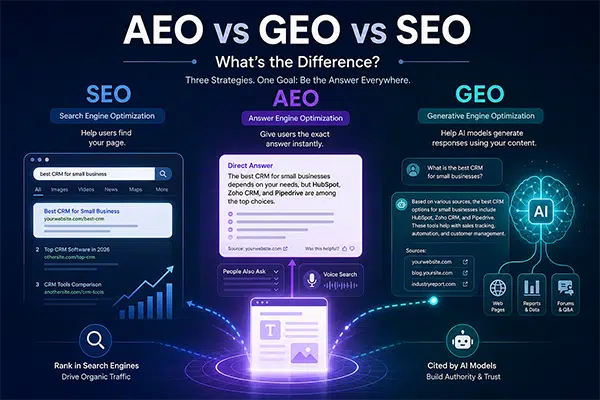
Traditional SEO focused on keywords and backlinks. In 2026, the focus has shifted to AI search optimization (also called Generative Engine Optimization or GEO, and Answer Engine Optimization or AEO).
Key techniques:
- Semantic & Entity Optimization — Focus on topics, entities, and relationships rather than just keywords. Build topical authority with interconnected content clusters.
- Structured Data & Schema Markup — AI tools automatically generate or validate schema (FAQ, HowTo, LocalBusiness, Review, etc.) so AI systems can reliably extract and cite your content.
- Question-Based & Modular Content — Structure content around clear questions (H2s/H3s as “How to…”, “What is…”) with short, concise answers (40–60 words) that AI models can easily pull for overviews.
- E-E-A-T Signals — Explicitly demonstrate Experience, Expertise, Authoritativeness, and Trustworthiness through author bios, case studies, citations, and consistent brand messaging.
- Content for AI Retrieval — Use clear, standalone paragraphs, highlight key facts, and create “answer modules” that are easy for LLMs to synthesize.

2. AI-Driven Content Creation & On-Page Optimization
AI excels at analyzing top-ranking pages and recommending improvements.
Techniques include:
- AI-powered keyword research and search intent analysis (user questions, comparison intent, etc.).
- Real-time content scoring against competitors (keyword usage, readability, semantic coverage, headings).
- Automated content briefs and outlines.
- On-page optimization suggestions (title tags, meta descriptions, internal linking, image alt text).
- Gap analysis — identifying missing topics or subheadings that top pages cover.
Popular tools in 2026: Surfer SEO, Clearscope, Ahrefs AI Content Helper, SEMrush AI, SE Ranking, Writesonic, and AirOps for scaling production.
3. Technical SEO & Performance Optimization
AI automates what used to take hours of manual auditing.
Key techniques:
- Automated technical audits — crawl errors, broken links, indexing issues, duplicate content, and Core Web Vitals problems.
- Smart image and asset optimization — AI compression, next-gen formats (WebP/AVIF), responsive sizing, and lazy loading.
- Code-level optimizations — minification, critical CSS extraction, and smart caching recommendations.
- Automated schema generation and validation.
- Predictive performance monitoring — AI flags potential slowdowns before they impact users.
AI helps websites consistently achieve better Core Web Vitals (LCP, INP, CLS) through intelligent resource prioritization and real-time adjustments.
4. User Experience, Personalization & Conversion Rate Optimization (CRO)
AI turns static websites into dynamic, intelligent experiences.
Techniques include:
- Dynamic personalization — Content, offers, and layouts that adapt to user behavior, location, device, or past interactions.
- AI chatbots and conversational interfaces that qualify leads 24/7.
- Heatmap + session recording analysis powered by AI to identify friction points.
- Automated A/B and multivariate testing with predictive winner selection.
- Smart CTAs and form optimization based on user intent signals.
- Accessibility improvements (AI can scan and suggest fixes for WCAG compliance).
5. Analytics, Monitoring & Continuous Optimization
AI turns raw data into actionable intelligence.
- Predictive analytics for traffic, rankings, and conversions.
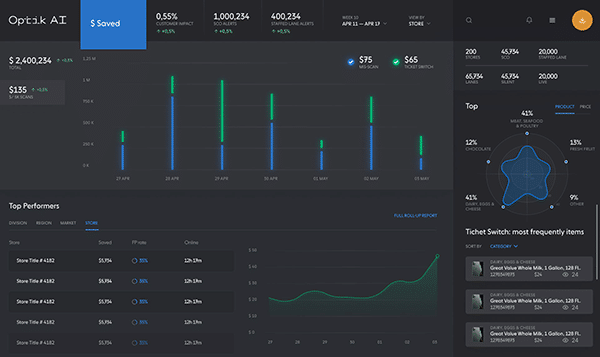
- AI dashboards that surface anomalies and opportunities automatically.
- Brand visibility tracking in AI search engines (ChatGPT, Perplexity, Google AI Overviews, etc.).
- Automated reporting and alert systems.
Why This Matters for Businesses Right Now
Websites that combine strong traditional foundations with AI optimization rank better in both classic Google results and AI-generated answers. They load faster, convert better, and require less ongoing manual work.
AI-powered platforms (like advanced Lumina-style sites) make implementing and maintaining many of these techniques much easier because the AI is built into the site itself — handling content updates, performance tuning, schema, and personalization automatically.